
ANIEMEA-P-GB-202600062 (V2) | March 2026


Authors:
Liz Anderson, RN, BA (Hons), PGCert Nutrition in Nursing
Publish Date:
May 2021 | 57 min
Abstract:
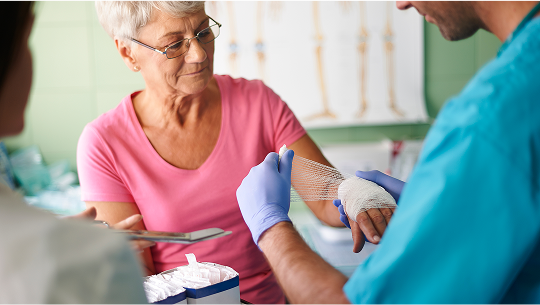
Learn about how early detection of poor nutrition and intervention strategies can help improve wound healing.
Once you have watched this video, please remember to complete your self-reflective notes to contribute towards your continuing professional development. You will then be able to access your Certificate of Completion.

LEARNING OBJECTIVES

Describe the impact of poor nutrition on wound healing.

Recognise the importance of early detection of poor nutrition on wound healing.

Identify strategies to improve nutrition in the patient with a wound.

AUTHOR(S) BIO


LIZ ANDERSON, RN, BA (HONS), PGCERT NUTRITION IN NURSING
Lead Nurse for Nutrition, Buckinghamshire Healthcare NHS Trust, Buckinghamshire
Liz Anderson’s role is to ensure that patients in her organisation have the correct nutrition via the correct route, safely and to meet their individual needs. This involves both clinical and educational work as well as developing policies and guidelines. She works with all members of the multidisciplinary team in promoting excellence and safety in nutritional care. Liz is passionate about good nutritional care for all patients. She sits on the Executive Committee of BAPEN (British Association for Parenteral and Enteral Nutrition). She is a member of the Consensus Panel for the Malnutrition Pathway as well as a Member of the Expert Panel for the newly formed Community of Practice Forum for the Motor Neurone Disease Association.