

Personalised and Flexible Learning





PROCONNECT ACADEMY IS A PERSONALISED DIGITAL LEARNING PLATFORM SPECIFICALLY DESIGNED FOR UK HEALTHCARE PROFESSIONALS WITH AN INTEREST IN CLINICAL NUTRITION
Personalised and Flexible Learning

Guidance from Experts in Nutrition

Continuing Professional Development Support

Certifications



Discover the unique nutritional needs of infants and children and gain insights for supporting their growth and development through tailored nutritional strategies.

Cow’s Milk Protein Allergy

Feeding & eating disorders
Gastroenterology

Growth & Development

Neurogical Impairment

Oncology

Professional Development

Enteral Feeding
(Coming soon)



Learn more about the role of nutrition in adult patient care and how to enhance therapeutic outcomes with effective nutritional support strategies.
COPD

Enteral Feeding

Frailty
Gastroenterology

Malnutrition

Nutritional Care Pathways

Oncology

Professional Development

Sarcopenia

Screening & Assessment

Wound Healing
Filters
Showing: {{1}}-{{9}} results of {{count}}
We're sorry! We weren't able to find the match. Please double check your search for any spelling errors. You can also try a different search term


Learn how to recognise dehydration risk, identify common signs and support residents' hydration in everyday care

Identify malnutrition and muscle loss in frail older adults and learn how nutrition can help maintain strength.

For care home residents at risk of malnutrition, learn how to develop nutrition care plans and provide effective nutritional support.

Understand different wound types, what contributes to their development and their impact on resident wellbeing.

Understand malnutrition in care homes, apply 'MUST' screening and support residents with effective nutrition care plans.

Support care home residents by identifying malnutrition and using energy-dense diets and food fortification.
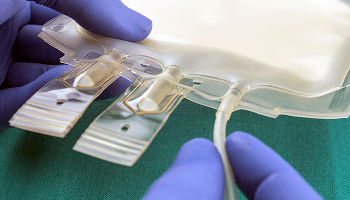
Head and neck cancer may impair oral intake due to dysphagia. Bolus feeding is often recommended to help patients meet nutritional needs during treatment and recovery.

Learn how chronic illness and acute trauma accelerate muscle loss, affecting mobility, strength, and wellbeing—and why early nutritional and clinical intervention is key to recovery.

Understand how age-related muscle loss (sarcopenia) contributes to frailty, increasing fall risk, disability, and reduced quality of life in older adults—and why early intervention matters.

Explore the role of prehabilitation in improving cancer treatment outcomes by addressing declines in muscle mass and function.

Cancer, its therapies, gastrointestinal (GI) function, and malnutrition have a complex and challenging relationship. This session explores clinical insights into tailored management strategies, including the role of peptide-based nutrition.

Improving nutritional support for hip fracture patients.

Review the burden of GI intolerance, key patient types, and practical primary care management, including peptide-based nutrition.

Learn how to diagnose malnutrition using GLIM, explore practical case studies, and review real‑world data on GLIM adoption, challenges, and benefits. Earn CPD certification.

Learn to recognise and manage ARFID in primary care, understand key characteristics and challenges, apply practical strategies, and complete CPD requirements to earn your certificate.

In this video, dietitian Kayennat Toofany describes the role of peptide-based nutrition in managing gastrointestinal (GI) symptoms.

Explore practical case studies showing how peptide feeds support paediatric patients with GI intolerance, helping manage disease-related malnutrition through targeted nutritional care.

Discover the role of dietary fibre in supporting children's health and managing disease, with expert insights on its benefits, clinical relevance, and common misconceptions in paediatric care.

Explore key dietary challenges in managing childhood cancers, including the impact of malnutrition and practical nutrition strategies to support treatment and improve clinical outcomes.

Learn how different types of dietary fibre support gut health, immunity, and nutritional management in children—benefiting both healthy growth and disease-related care.

Explore tools like MUST and SARC-F for early detection of malnutrition and sarcopenia, and learn how to develop and implement effective nutritional care plans.

Learn why muscle health matters beyond BMI. Discover practical tools, techniques, and nutrition strategies to support strength, function, and overall wellbeing in patient care.

This article emphasises the importance of early identification and management through a structured four-step approach: screening, assessment, treatment, and monitoring.

This educational video explores the role of peptide-based nutrition in improving gastrointestinal (GI) intolerance for patients requiring nutritional intervention due to malnutrition.

Explore how malnutrition accelerates age-related muscle loss, contributing to frailty and sarcopenia—and how targeted nutrition and early intervention can improve strength and outcomes.

Explore how NHS priorities are shifting post-pandemic, with a growing focus on population health and the vital role of nutrition in supporting long-term, preventative care strategies.

Learn how unequal access to specialist NHS care affects allergy outcomes in BAME children, and explore the factors driving health disparities and the need for inclusive clinical approaches.

Discover how psychological insights can enhance dietetic consultations, helping professionals build trust and improve patient and family experiences through sensitive communication.

Discover BDA-guided best practices for remote paediatric consultations, with practical tips for nutritional assessment and effective engagement with children and families.

Explore strategies for remote consultations with anxious patients or parents, addressing psychological challenges and sharing tips for effective, compassionate communication.

Explore the evolving role of nutrition in paediatric cystic fibrosis care, including emerging evidence on its impact alongside new therapies and ongoing clinical challenges.

Explore how the pandemic may have influenced the infant microbiome in CMPA cases, affecting immune development and highlighting the role of early-life nutrition and environmental factors.

Learn how nutrition and muscle strength assessment can help reduce fall risk in older adults, with practical strategies to support mobility, resilience, and overall health.

Explore current evidence-based approaches to IBD dietary management, including the role of the gut microbiome and practical insights from a registered dietitian.

Discover how vitamin D, combined with protein and resistance exercise, may support muscle mass, improve musculoskeletal health, and help reduce the risk of age-related conditions.

A dietitian shares practical insights on integrating muscle screening into routine care, highlighting its impact on patient outcomes and how to overcome common implementation challenges.

A consensus guide for MDTs to screen, assess and manage GI symptoms in children on oral nutritional supplements, supporting better tolerance and personalised care planning.

This guide supports healthcare professionals in using the MUAC Z-Score Tape to accurately measure mid-upper arm circumference and assess malnutrition risk in children using standard methods.
This infographic offers practical tips to enhance patient engagement in telehealth nutrition counselling—making interactions more relatable, relevant, and memorable for better outcomes.

Gain clinical insights from a paediatrician on managing nutrition in children with neuro-disabilities, focusing on strategies to meet key nutrient needs and address feeding challenges.

Explore how supporting muscle health through targeted nutrition can improve clinical outcomes, recovery, and quality of life in children with neurological or physical impairments.

Understand how vitamin D, protein, and exercise support muscle health in older adults, helping to maintain mobility, function, and quality of life through targeted nutritional strategies.
Learn how dietitians manage FPIES in infants and young children through careful diagnosis, nutritional strategies, and tailored feeding plans to reduce symptoms and support growth.

Learn about holistic nutrition assessment in children with neurodisabilities, including individualised feeding plans, MDT collaboration, and the role of fibre in clinical care.

Daily activity matters to patients. Screening tools like handgrip and SARC-F help identify muscle loss early, guiding timely nutrition and intervention to support muscle health and outcomes.

Learn how HMB supports muscle health in cancer patients. Early detection of muscle loss and targeted nutrition can improve survival, treatment tolerance, and overall clinical outcomes.

Learn the key steps, considerations, and processes for setting up a prehabilitation service, with a focus on embedding patient assessments and care pathways to improve outcomes.

In this video, Anne Holdoway shares expert tips on integrating nutrition into patient care pathways, highlighting its value for improving outcomes and supporting healthcare professionals.

Learn how to identify and diagnose sarcopenia with this infographic. Understand muscle loss, its health impact, and why early detection is key for older adults and at-risk individuals.

Discover how leucine and its metabolite HMB support muscle health in ageing and illness in this infographic, featuring key scientific insights and evidence from clinical research.

Discover why maintaining muscle is vital for healthy aging—supporting strength, mobility, and metabolism—and how it helps you stay active, resilient, and independent over time.

Explore how structured nutritional care pathways—covering screening, assessment, diagnosis, intervention, and monitoring—can support better outcomes for cancer patients.

Explore how trimodal prehabilitation—exercise, nutrition, and psychological support—can help cancer patients improve surgical outcomes and overall wellbeing before treatment begins.
Explore muscle’s role in health, sarcopenia, and protein needs. Learn how HMB and high-protein ONS support strength and recovery in older adults across clinical care settings.

COPD nutrition care involves screening, assessment, intervention, and monitoring. Early muscle loss detection is key to building effective nutrition pathways and improving outcomes.

Use this infographic to learn how protein supports health and muscle in older adults. Includes intake tips, risks of low protein, and high-protein food ideas to help meet daily needs.

Explore how 2'FL, a key HMO, supports infant gut microbiome development, enhances probiotic diversity, and may help reduce infant mortality and morbidity through microbiome-nutrition synergy.

Malnutrition and GI dysfunction reinforce each other, worsening patient outcomes. Learn how targeted nutritional care can help break this cycle and support recovery in affected individuals.

This course explores causes of frailty like malnutrition and muscle loss, and teaches screening, diagnosis, and interventions to improve patient-centred outcomes.
%20-%20Thumbnail.png)
A dietitian explores telemedicine’s role in nutrition screening and reviews RMAPP—a remote tool for assessing malnutrition and muscle loss in primary care settings.

Patient pathways standardise care to improve outcomes. Embedding nutrition requires collaboration and support from key stakeholders across diverse care settings.

Explore how early nutrition screening and targeted interventions can support wound healing, improve outcomes, and enhance recovery in clinical care.

Explore how AI and machine learning support ICU nutrition care—highlighting malnutrition risks, GLIM assessment, and the need for adaptive, patient-specific nutrition strategies.

This video explains how malnutrition and GI dysfunction are linked, highlighting physiological changes and how peptide-based nutrition can help interrupt the cycle and support recovery.

Vitamin D deficiency affects muscle and immune health, raising injury and infection risk. Assessing levels is key when offering nutritional support in clinical practice.

The PENG Pocket Guide offers practical, evidence-based guidance for assessing malnutrition and managing nutrition issues across varied clinical settings.

Experts explain ARFID traits, diagnosis, and its impact on child health.

Explore how muscle loss affects cancer patients and how early detection and HMB-based nutritional support can help manage malnutrition, improve strength, and enhance treatment outcomes.

Learn about the impact of low muscle mass on clinical outcomes in patients with cancer and the role of nutrition and prehabilitation in treatment.

A dietitian explains how muscle mass impacts health and quality of life, and how screening, assessment, and nutrition strategies can improve patient outcomes.

Explore the role of assessment and specialised nutrition in cancer care, focusing on managing malnutrition and muscle loss from screening through to prehabilitation.

Explore the link between COPD, malnutrition, and sarcopenia, and learn how specialist nutrition interventions can support better outcomes across the continuum of care.

Cancer nurse specialists created a best practice consensus with a four-step pathway to enhance nutritional and muscle screening, assessment, and management in holistic patient care.

Explore how the STAMP tool was embedded into clinical practice to help identify and address paediatric malnutrition—highlighting key steps, challenges, and outcomes from implementation.

Explore paediatric malnutrition and practical screening tools to help identify at-risk children early—supporting timely nutritional interventions and better patient outcomes.

Nutrition and exercise empower cancer patients throughout their journey—enhancing wellbeing, immunity, and treatment tolerance for improved outcomes and quality of life.

Telemedicine is vital in healthcare but poses challenges like malnutrition screening. Explore innovative solutions and best practices to support primary care teams in overcoming these barriers.
Learn about the importance of muscle screening and the impact of multimodal prehabilitation to improve outcomes in patients with cancer.

This infographic shows how to spot and address malnutrition in older adults, with practical tips on signs like appetite, energy, and clothing fit - promoting early action and better health outcomes.

This video shows how nearly half of elderly patients face malnutrition. Screening tools like R-MAPP and HMB-based nutrition can help improve muscle mass and reduce complications like fractures.
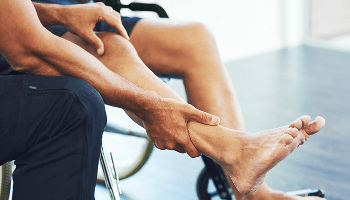
Muscle loss is common in ageing and illness. This article highlights the importance of assessing muscle in practice and using nutrition and exercise to improve patient-centred outcomes.

Explore how prehabilitation helps cancer patients prepare for treatment. Learn about its benefits in improving physical and mental resilience before therapy begins.

Discover a symptom-based guide developed by experts to help identify, assess, and manage GI intolerance in malnourished adults living in the community, supporting better nutritional care.

This video explores muscle health decline, its impact on outcomes, and how PCN dietitians can use screening tools and interventions to support frailty care in primary settings.

PRONTO uses 3 quick questions on weight, intake, and muscle to screen cancer patients for malnutrition risk—streamlining oncology visits and usable by all healthcare professionals.

A nutrition scientist explains how muscle health supports recovery. Tools like DEXA and HMB supplementation help detect and reduce loss, improving outcomes in cancer and chronic illness.

Muscle loss increases fall and fracture risk. Early nutrition and exercise are key but often missed. A 2019 consensus offers practical guidance to support independence in older adults.

UK hospital audit shows muscle loss is common even without malnutrition, revealing that standard screening may miss patients needing targeted nutritional support.
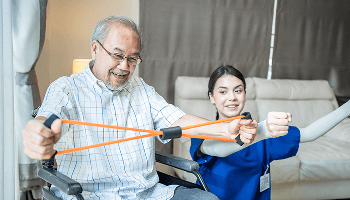
This symposium shares UK audit findings on malnutrition and muscle loss in hospitals, highlighting prevalence, clinical risks, and implications for patient care.

GLIM offers a global two-step approach to diagnose adult malnutrition using phenotypic and aetiologic criteria, guiding consistent, effective nutritional care worldwide.

A dietitian shares expert insights on screening and managing muscle loss in oncology—covering malnutrition, sarcopenia, and key nutrition strategies to support patient care.
Learn why muscle health matters beyond BMI. Discover practical tools, techniques, and nutrition strategies to support strength, function, and overall wellbeing in patient care.

Discuss sarcopenic obesity, the obesity paradox, and how muscle mass affects cardiometabolic health, with key rehab nutrition and exercise strategies.

The NOURISH trial found that HMB-based high-protein ONS may lower mortality and readmission rates in malnourished, older adults with cardiopulmonary disease post-hospital discharge.

Muscle loss impacts patients and NHS costs. Early diagnosis and HMB-based nutritional support can improve outcomes. This article explores managing muscle loss and malnutrition with HMB supplements.

Falls are a leading cause of hospitalisation in older adults. Malnutrition and muscle loss raise risk, but early screening and nutrition can help prevent them. Learn more in this infographic.

This video discusses the critical role of muscle in health, the consequences of muscle loss, and effective interventions to preserve muscle through nutrition and early mobilisation.

Explore frailty’s impact through a real-life case—covering clinical risks, polypharmacy, and how nutrition and exercise can help manage and reduce frailty nationwide.

Explore future nutrition care for frailty—covering new trends, technologies, and innovations aimed at improving outcomes and enhancing support for vulnerable patients.

Learn key considerations for bolus feeding in tube-fed patients, with practical guidance and training tips to support dietitians, including those new to this feeding approach.

Frail patients face nutritional challenges. This video explores how healthcare professionals can overcome barriers and find solutions to improve patient health and intake.

Learn how a system-level frailty framework supports care through network planning, muscle screening, assessment tools, and the combined role of nutrition and exercise in healthy aging.
This video features expert insights on how HMB supports muscle health—enhancing growth and reducing breakdown in individuals experiencing muscle loss.

Watch this podcast to learn how HMOs help shape a healthy infant microbiome, supporting gut and immune development during early life and influencing long-term health outcomes.

Explore changes in muscle mass and strength, links to COPD, cancer, frailty, and highlight the role of activity and exercise in maintaining muscle health.

Paediatric dietitian outlines ARFID identification and management, rising paediatric awareness, dietetic care, and the vital role of a multi-disciplinary approach in treatment.

Dietitian stresses the need for tailored oral nutritional supplements and early use of assessment tools to meet individual patient needs throughout their care journey.

This infographic helps newly diagnosed cancer patients understand their journey. Download, print, and share to support informed care. Learning goals reflect the patient’s perspective.

This video explores the emotional toll of CMA on families. It covers parental stress, child challenges like bullying and hospital visits, and teens managing anaphylaxis and social pressures.

Explore links between picky eating, ARFID, and anorexia in kids. Learn about diagnosis, nutrition, behaviour strategies, and how mindfulness aids collaboration in eating disorder care.

A paediatric dietitian shares expert tips on managing nutrition in children with eating disorders, covering diagnosis, challenges, and how mindfulness supports better patient collaboration.

In this podcast, dietitian meets psychologist to discuss how to boost your influence, be more persuasive, and get the right people to listen and act. Tune in now!
In this podcast, dietitian meets psychologist to discuss how to boost your influence, be more persuasive, and get the right people to listen and act. Tune in now!
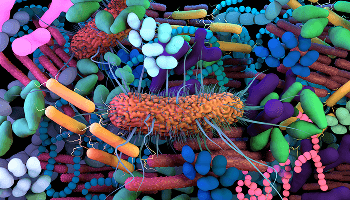
GI disorders can worsen malnutrition in children by limiting intake and absorption. This video explores how poor gut health and undernutrition create a cycle that impacts growth and development.

Learn how fibre supports gut health and plays a key role in managing gastrointestinal conditions, including functional GI disorders and other diet-related digestive issues.

Explore paediatric malnutrition and how the STAMP screening tool supports clinical practice by identifying at-risk children and guiding timely, effective nutrition interventions.

This video explores dietary management of CMPA, focusing on plant-based hydrolysed rice formulas as an effective option for infants needing extensively hydrolysed nutrition.

Dietetic experts explore career growth in dietetics, sharing how dietitians can use transferrable skills to expand beyond clinical roles. Listen now!
Dietetic experts explore career growth in dietetics, sharing how dietitians can use transferrable skills to expand beyond clinical roles. Listen now!

In this podcast, experts discuss burnout and wellbeing in the NHS, sharing tips on how to support yourself and others. Don’t miss out—listen now!
In this podcast, experts discuss burnout and wellbeing in the NHS, sharing tips on how to support yourself and others. Don’t miss out—listen now!

In this podcast, experts discuss their social media journey, sharing insights, tips, and challenges of using digital platforms as a dietitian. Listen now!
In this podcast, experts discuss their social media journey, sharing insights, tips, and challenges of using digital platforms as a dietitian. Listen now!
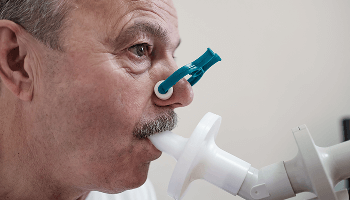
Respiratory disease can reduce muscle mass and function. Discover how targeted nutritional interventions help preserve muscle and improve outcomes for patients throughout their care.

Children with complex needs may benefit from peptide-based feeds. Choosing the right formula supports gut health and improves outcomes. This article explores tailored nutritional approaches.

Watch this expert-led video on HMB and muscle health. Learn about its benefits across patient groups and practical guidance for introducing HMB into daily nutritional support.

Shifting malnutrition care from weight to muscle focus can improve outcomes. Learn why assessing and preserving muscle mass is key to enhancing recovery and quality of life.
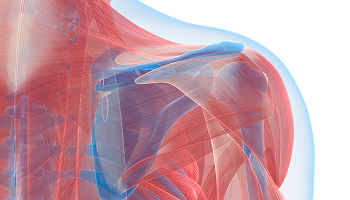
Discover the causes of muscle loss and the importance of targeted nutrition interventions to support muscle growth, strength, and maintenance across different patient populations.

This video highlights GI intolerance in patients with neurodisability. In neuro ICU and similar settings, tailored nutrition is key to managing GI issues and improving feeding tolerance.
This video explains how HMB and protein-based nutrition strategies help reduce muscle loss and support better outcomes in older adults and patients with cancer, frailty, or COPD.

Frailty and sarcopenia raise risks of falls, disability, and mortality in older adults. Nutrition and exercise may help slow decline and support healthier aging.

Explore this infographic on Human Milk Oligosaccharides (HMOs), highlighting key preclinical and clinical insights into their role in infant health, immunity, and early development.

Explore expert guidance on diagnosing cow’s milk allergy in infants—covering symptoms, prevalence, oral food challenge limitations, and the HCP’s role in effective CMA management.

Children with CMPA risk undernutrition and stunting. Early catch-up growth is vital. Hydrolysed rice formulas help when breastfeeding isn’t possible, per expert guidelines.

Hydrolysed rice formulas are a palatable first-line option for CMPA, often better tolerated than eHFs and suitable for elimination diets per DRACMA and ESPGHAN guidelines.

Explore how HMOs—unique breast milk prebiotics—may support gut health and immune balance, offering potential benefits in allergy prevention, backed by clinical and pre-clinical research.

This course explores the need for remote allergy clinics and highlights key differences between remote and onsite consultations in managing allergic children.
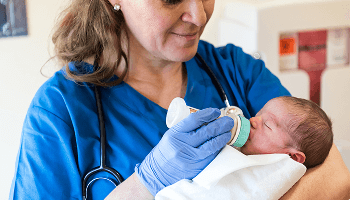
This infographic shows how 2’-FL, a key HMO in breast milk, supports infant gut, immune, and brain health—backed by both preclinical and clinical research.

Dietitians explore how HMOs shape infant microbiome, supporting immunity and development. Highlights key functions and their role in early-life nutrition.
UK--2500141 | September 2025

SESSION TIMEOUT
Please log in to continue
Thanks for registering. To begin, please log in to your ProConnect account. After you log in, you’ll have temporary access to all resources and education while we verify your details.
UK--2500117 (V2) | December 2025


Added to Bag
ENSURE PLUS
1 x 220 ml
Flavor: Apple
1,5 kcal / ml
Nutrition Information
| Unit | Per {ml-col-1} ml | Per {ml-col-2} ml |
| Unit | Per {ml-col-1} ml | Per {ml-col-2} ml |
| Unit | Per {ml-col-1} ml | Per {ml-col-2} ml |
footnotes
Product details not available.
You have {liteUserDaysLeft} business days of temporary access.
Based on your email address {email} your account has not yet been approved. We’re validating your credentials. You won’t be able to order samples until your account is approved and activated. Please check your email for more details. For help, contact us at abbott.proconnect_access@nhs.net.
UK--2500192 | September 2025
You have {liteUserDaysLeft} business days of temporary access.
Based on your email address {email} your credentials are validated but not yet activated. To gain full access, including the ability to order samples, click the activation link we sent to your inbox. For help, contact us at abbott.proconnect_access@nhs.net.
UK--2500192 | September 2025
Register to continue reading this article
UK-N/A-2400058(v9) | September 2025
You are about to exit for another Abbott country or region specific website.
Please be aware that the website you have requested is intended for the residents of a particular country or region, as noted on that site. As a result, the site may contain information on pharmaceuticals, medical devices and other products or uses of those products that are not approved in other countries or regions.
The website you have requested also may not be optimised for your specific screen size.
Do you wish to continue and exit this website?
UK-N/A-2200465 | July 2022

This website is for UK HCPs and UK Patients only. If you are outside of the UK please visit our global website Abbott.com
If you choose "I am a patient/carer”, you will be entering a website intended for patients and carers which has information on Abbott products. Products on this website are to be used under medical supervision. If you have questions about the product information discussed on this website, you should consult with your healthcare professional.