
UK-N/A-2400277 | September 2025



Authors:
Vicky Davies, MSc, RD
Publish Date:
December 2021 | 59 min
Abstract:
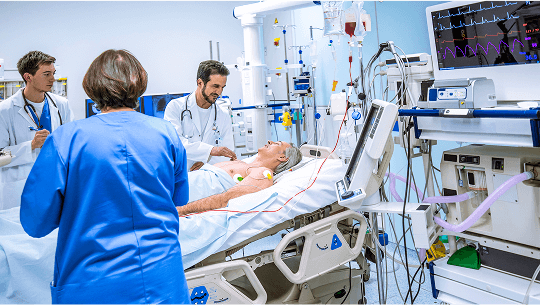
This video highlights the prevalence of gastrointestinal intolerance in patients with neurodisability. In clinical settings such as neuro intensive care, a tailored approach to nutritional support is required to address gastrointestinal complications and feeding tolerance.
Once you have watched this video, please remember to complete your self-reflective notes to contribute towards your continuing professional development. You will then be able to access your Certificate of Completion.

LEARNING OBJECTIVES

Describe the symptoms of gastrointestinal intolerance, associated patient types, and nutritional challenges associated with gastrointestinal complications.

Discuss local strategies for improving nutritional support and feeding tolerance in the neuro intensive care setting.

Review and examine the processes that can be used to address feeding intolerance in other clinical settings.

AUTHOR(S) BIO


VICKY DAVIES, MSC, RD
Principal Dietitian for Neurosciences, The Walton Centre NHS Foundation Trust
Senior Lecturer, Wrexham Glyndwr University
In her clinical role, Vicky has worked as a specialist dietitian in neurointensive care for over 10 years. During this time, she has led a number of quality improvement projects and policy developments to optimise the nutritional management of critically ill patients with neurological conditions. She works with all members of a specialist multidisciplinary team to promote safety and clinical excellence in nutritional care.
Vicky is passionate about research and innovation to improve patient outcomes and experience. She sits on committees for the British Dietetic Association and the Council for Allied Health Professions Research. She is also a committee member for the patient-led charity ‘Critical Care Support Network’, which offers support to patients and their families during recovery from critical illness. In her role as senior lecturer, Vicky actively pursues her research interests through scholarly activities and publications, including book chapters for ‘The Manual for Dietetic Practice’ and the ‘Oxford Clinical Practice Series: Neurointensive Care’.