
UK-N/A-2200390 (V3) | September 2025


Publish Date:
July 2023 | 4 min
Abstract:
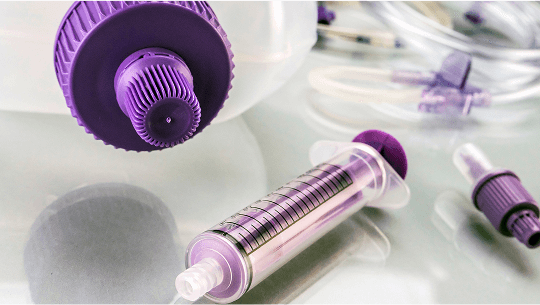
Bolus feeding (the delivery of a set volume of feed at regular intervals) has become more widely used in recent years, with an estimated one third of tube-fed patients now receiving either all or part of their nutrition via this method.1 This aid is designed to provide practical, day-to-day guidance for dietitians and other healthcare professionals and to be used as training material for more experienced dietitians to share with dietitians new to bolus feeding modalities.
Once you have read this infographic, please remember to complete your self-reflective notes to contribute towards your continuing professional development. You will then be able to access your Certificate of Completion.

LEARNING OBJECTIVES

Identify which patients are suitable for bolus feeding.

Develop a feeding regimen for bolus-fed patients.

Understand ongoing monitoring and troubleshooting for bolus regimens.
Footnotes:
This decision aid has been developed by a group of specialist dietitians:* Kelly McCabe, Chief Operating Officer, Leaders in Oncology Care (LOC), London; Kavita Biggin, Stroke Services Dietitian, Oxford Health NHS Foundation Trust; Claire Birch, Community Nutrition Support Dietitian / Team Lead, University Hospitals Coventry; Kirsty Capper, Community Dietitian, Home Enteral Tube Feeding, Countess of Chester Hospital; Jessica Harris, Clinical Lead Dietitian, Head and Neck, UCLH, London; Roisin Kavanagh, Macmillan Cancer and Palliative Care Dietitian, Pennine Care Foundation NHS Trust, Oldham; Margy Thomson, Clinical Lead Dietitian, Nutritional Support, NHS Fife.
*Job titles accurate at the time of publication
References:
1. Simons R et al. Clin Nutr ESPEN 2017;22:122.